
Toenail Reconstruction
PODIATRY • COSMETIC & MEDICAL FOOT CARE
Restore damaged, dystrophic or missing toenails at The Foot, Knee and Back Clinic
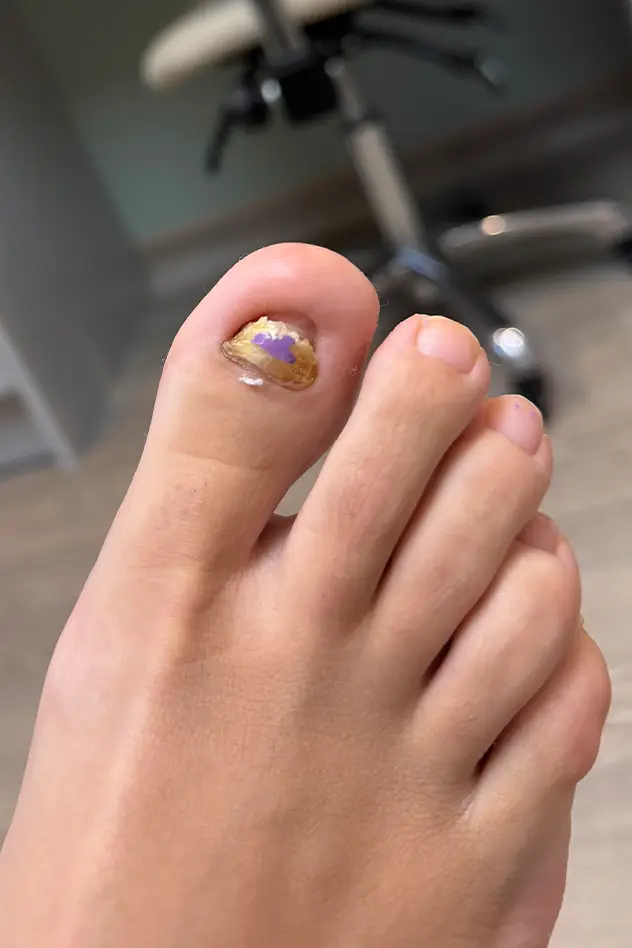
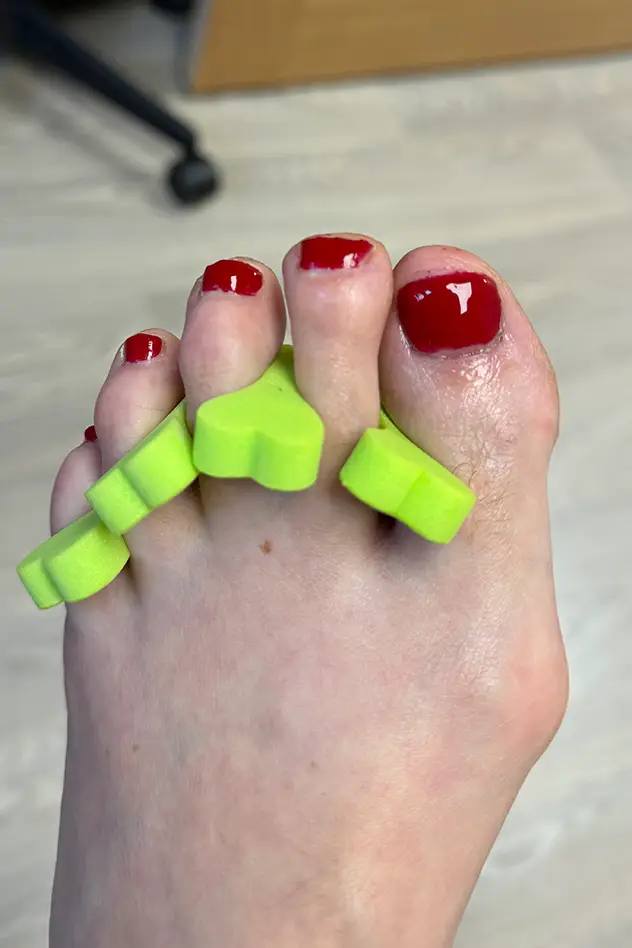
Toenail reconstruction is a specialist podiatric and cosmetic procedure that rebuilds a damaged, split, discoloured or partially missing toenail. Using the LCN Wilde-Pedique Silver Plus gel system, our podiatrists restore both the appearance and the protective function of the nail, shielding the nail bed as it regrows, improving comfort in footwear, and helping you feel confident about your feet again.
What is toenail reconstruction?
Toenail reconstruction restores the functional and aesthetic integrity of the nail apparatus. A light-cured resin is applied and shaped directly onto the natural nail (or nail bed) to recreate a natural-looking nail plate. Beyond appearance, a reconstructed nail protects the toes, supports normal gait and can improve psychosocial confidence for people who feel self-conscious about damaged nails.
LCN Wilde-Pedique Silver Plus is a light-cured acrylic-ester resin system engineered to mimic natural nail biomechanics while providing antibacterial and antifungal activity for added protection during regrowth.
At a glance
- Ideal for: Rebuilds trauma-damaged, dystrophic or partially absent nails
- Time: A single appointment, typically 30–60 minutes per nail
- Downtime: Walkable straight away, with no dressings required
- Result: : Immediate cosmetic improvement plus protection of the nail bed

Which nail problems can it treat?
Toenail reconstruction is indicated for patients with:
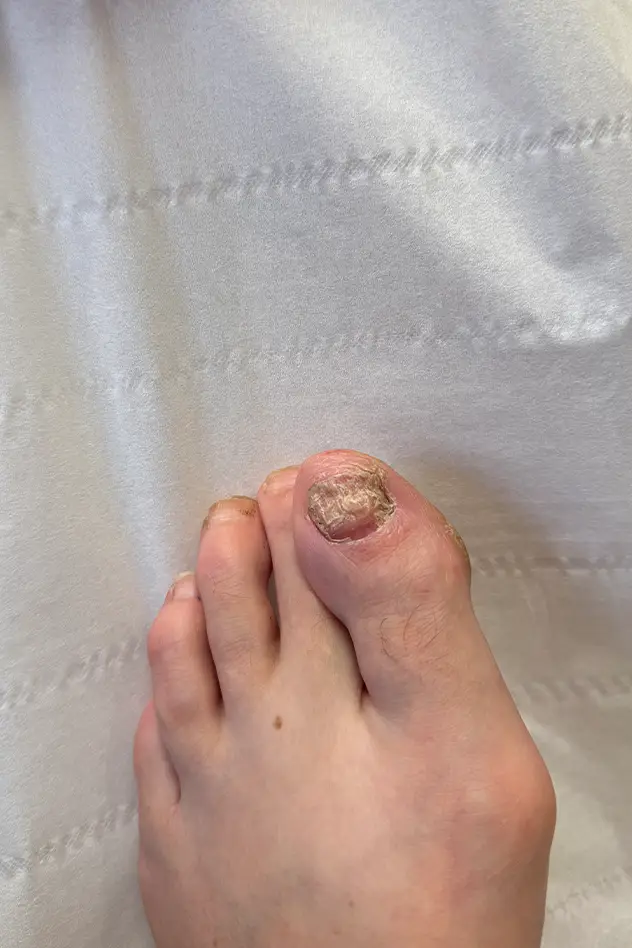
Onychodystrophy
structural nail abnormalities
Onycholysis
separation of the nail plate from the nail bed
Subungual haematoma
or trauma-induced nail loss
Onychomycosis
fungal nail infection, post-treatment or controlled
Congenital
or acquired nail plate deformities
Cosmetic correction
of nail discolouration or surface irregularities
Who is toenail reconstruction suitable for?
This treatment may be a good option if you have:
A damaged, dystrophic or partially absent nail plate
A nail recovering after trauma or nail surgery (post-surgical nail bed reconstruction)
Discoloured or ridged nails you would like cosmetically improved
Fungal or thickened nails being managed as part of ongoing podiatric care
Your podiatrist will always assess suitability first. Where a nail is completely absent (no natural nail lamina present), a prosthetic nail may only last 1–2 days and requires careful handling; we will discuss realistic expectations with you before treatment.
What to expect during your appointment
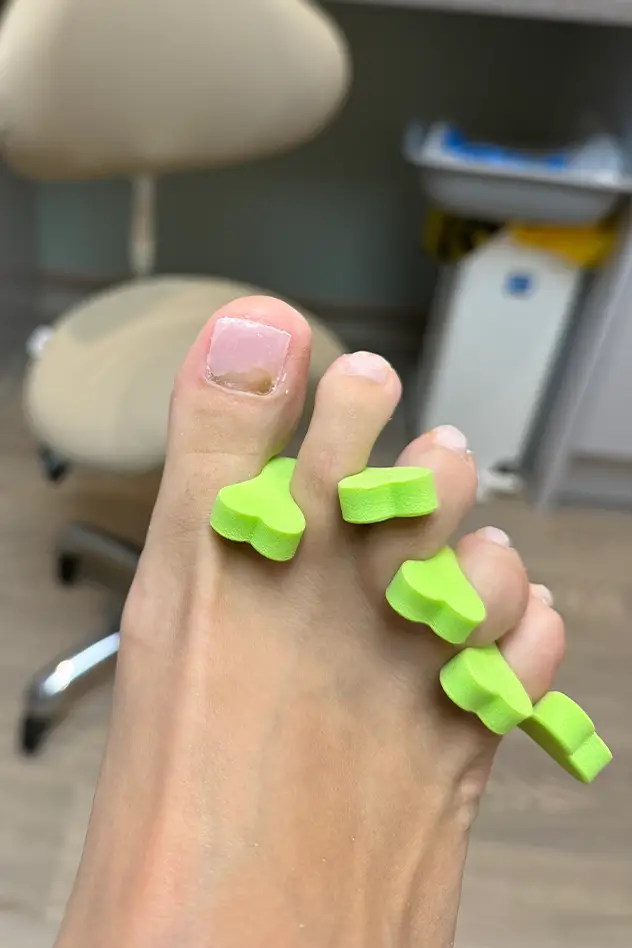
During your consultation, one of our podiatrists will examine the nail and surrounding skin, confirm the diagnosis and check the treatment is right for you. The nail is gently prepared, the LCN Wilde-Pedique gel is applied in thin layers, shaped to match your natural nail, and cured under a light to set it firmly in place. The nail is then finished and buffed for a natural appearance.
You may notice a brief warm sensation as the gel cures (a normal polymerisation heat effect), particularly on thin or damaged nails. Most single-nail appointments take around 30–60 minutes, and you can walk normally straight afterwards.
Expected outcomes
Restoration of a natural-appearing nail plate
Protection of the nail matrix and nail bed
Improved comfort in footwear and daily activities
Cosmetic concealment of discolouration, deformity or missing nail segments
Please note: results are temporary. Longevity depends on your natural nail growth rate and how well you follow the aftercare and maintenance advice below.
Aftercare instructions
To get the best, longest-lasting result from your reconstructed nail:
Keep the nail dry and avoid immersion in water for 24–48 hours
Avoid mechanical trauma and tight footwear for around one week
Do not use cuticle oils, creams or acetone-based products on the nail
Attend regular maintenance visits, usually every 3–6 weeks
Monitor for any signs of infection, lifting or discomfort and contact the clinic if you are concerned
Risks and possible complications
Toenail reconstruction is a low-risk procedure, but as with any treatment there are things to be aware of:
01
Onycholysis
greenish discolouration under the nail if it is exposed to excess moisture or trauma
02
Allergic contact dermatitis
03
Polymerisation heat
a warm sensation during curing, particularly on thin or damaged nails
04
Infection risk
if hygiene or aftercare is inadequate
Follow-up and maintenance
A full inspection, with optional removal or refill, at each maintenance visit
Nails with previous fungal involvement may need more frequent monitoring (every 3–5 weeks)
Where there is no natural nail lamina, prosthetic nails may last only 1–2 days and require careful handling

Frequently asked questions
Is toenail reconstruction painful?
No. The procedure is non-invasive, and most patients feel only a brief warm sensation as the gel cures. There is no cutting and no anaesthetic is required.
How long does a reconstructed toenail last?
Results are temporary and grow out with your natural nail. Most people return for a refill or maintenance every 3–6 weeks, depending on their nail growth rate and lifestyle.
Can I have toenail reconstruction if I have a fungal nail?
Often yes, once the infection is treated or well controlled. Reconstruction can be used alongside ongoing podiatric management, though fungal-affected nails usually need closer monitoring.
Can I walk and wear shoes straight after treatment?
Yes. There is no downtime; you can walk immediately. We simply ask you to keep the nail dry for 24–48 hours and avoid tight footwear for about a week.
Will the reconstructed nail look natural?
Yes. The gel is shaped and finished to match your natural nail, giving an immediate cosmetic improvement that conceals discolouration, ridging or missing nail segments.
Book your toenail reconstruction consultation
If you have a damaged, discoloured or missing toenail and would like it assessed, book an appointment with the podiatry team at The Foot, Knee and Back Clinic. We will confirm whether toenail reconstruction is right for you and talk you through what to expect.