Background

Plantar Fasciitis / Heel Pain Treatment in Long Eaton

Is heel pain / plantar fasciitis leaving you feeling frustrated and helpless?

Is heel pain / plantar fasciitis leaving you feeling frustrated and helpless?

Is heel pain / plantar fasciitis leaving you feeling frustrated and helpless?

Evidence-based care with shockwave, acupuncture, exercise rehab, orthotics, footwear advice and high-powered laser therapy

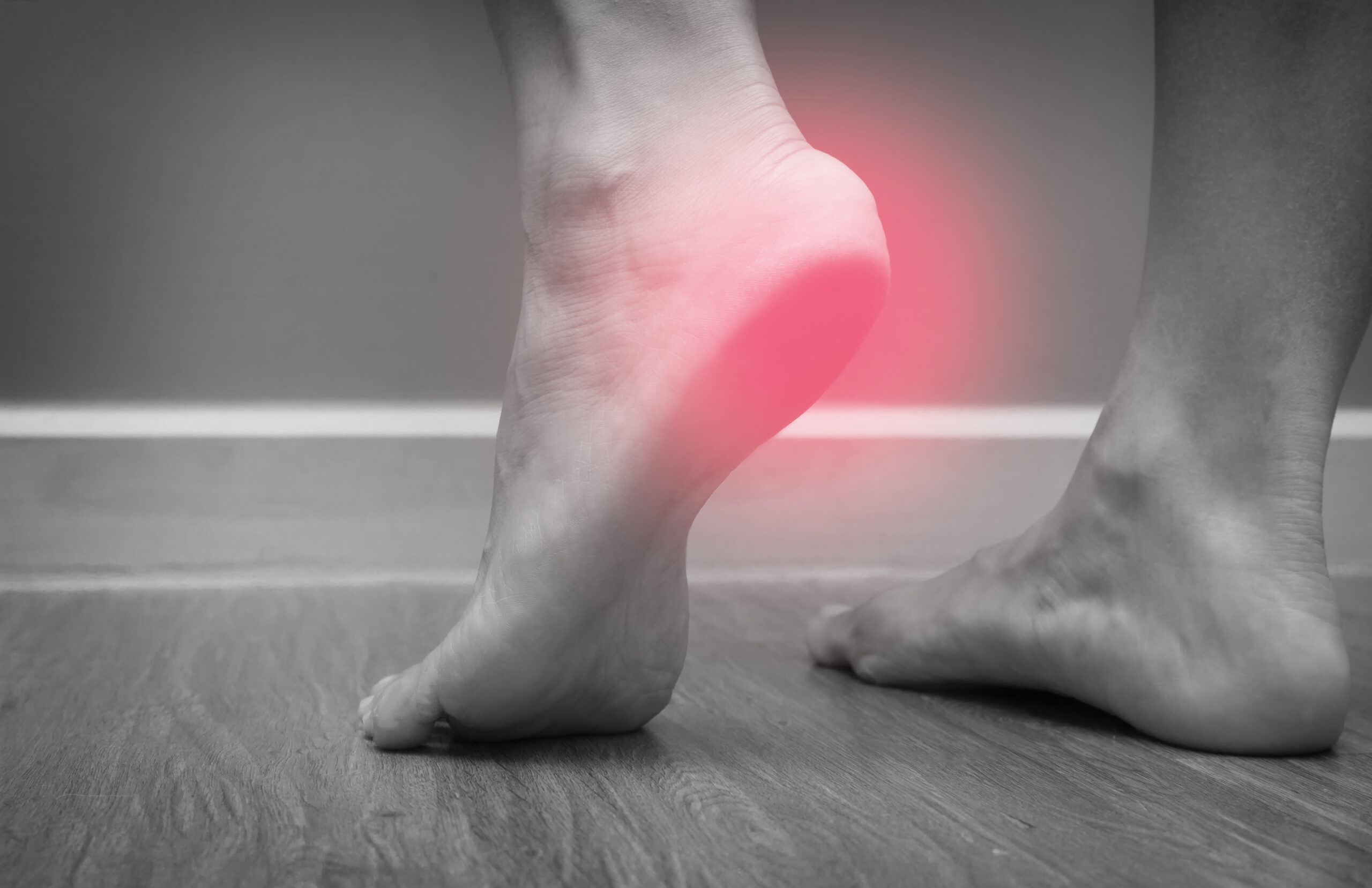
Heel pain can hijack your mornings. If your first steps out of bed feel like you’re “walking on a nail”, you may have plantar fasciitis (more accurately, plantar fasciopathy). At the Foot, Knee and Back Clinic, we don’t just “treat the pain”; we identify the mechanical driver, calm irritated tissue, and rebuild your foot’s capacity so it stays fixed.

What is plantar fasciitis?

The plantar fascia is a strong band of tissue that runs from your heel bone to your toes, and assists the intrinsic foot muscles in supporting your arch and helping your foot act like a spring when you walk and run.

Plantar fasciitis is a common cause of heel pain, usually linked to overload of the plantar fascia and the intrinsic foot muscles’ attachment at the heel. In many people, it’s less about “inflammation” and more about an overuse/degenerative overload process, which is why a rehab-based approach (not just rest) matters.

Common symptoms of plantar fasciitis (heel pain)

You may notice:

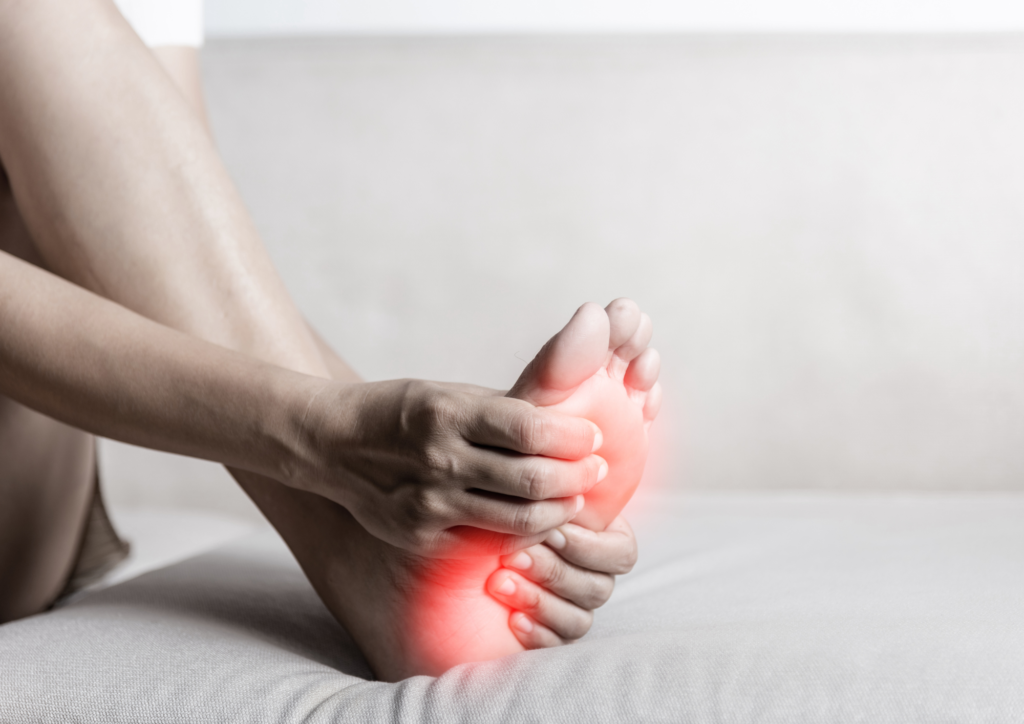
  • Sharp heel pain with the first steps in the morning or after sitting
  • Pain that eases as you warm up, then returns after longer standing/walking
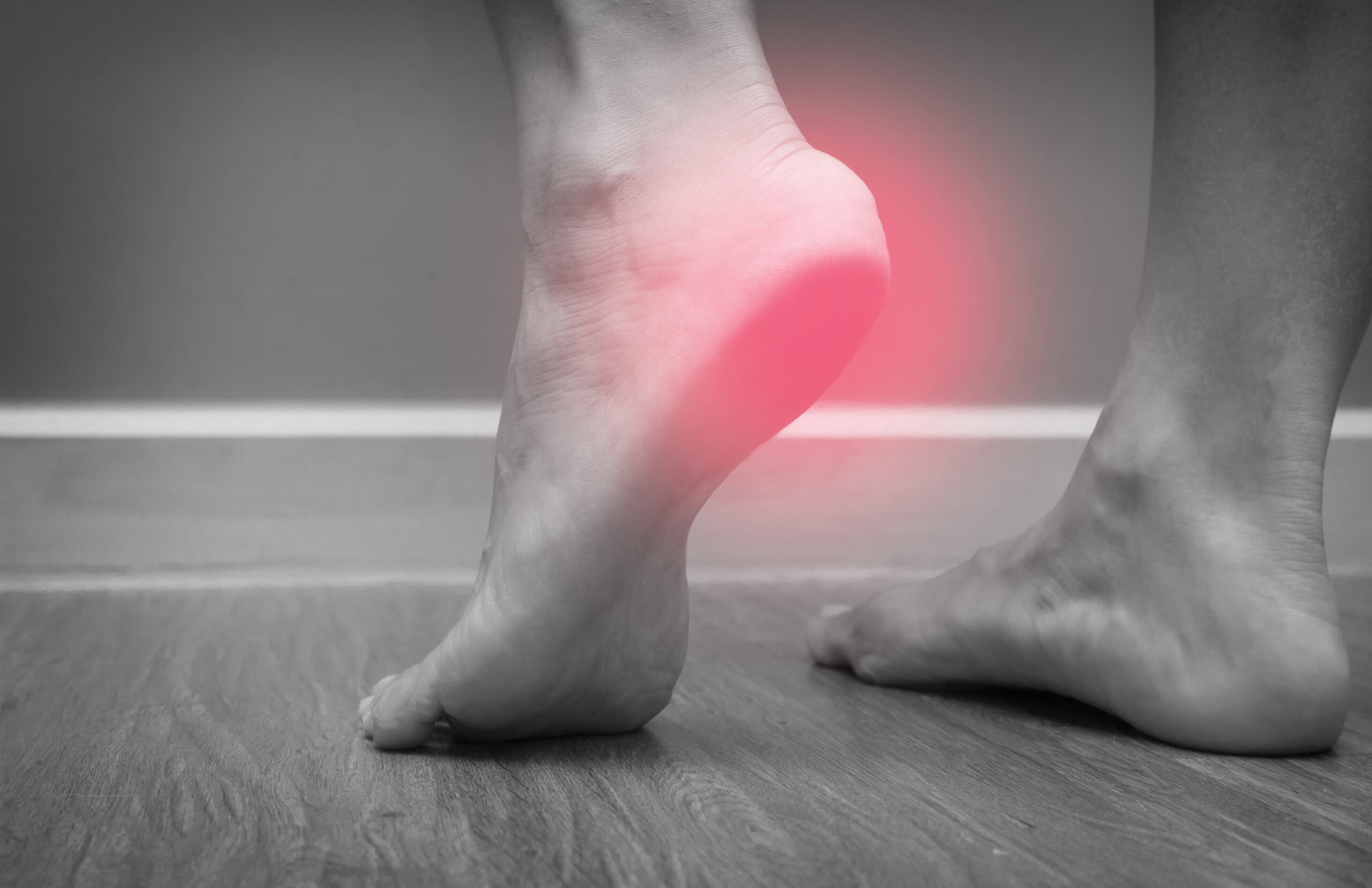
  • Tenderness at the inside/front of the heel
  • Pain after increased activity (more walking, running, standing at work)
  • Stiffness through the arch or calf, sometimes with Achilles tightness

Not sure if it’s plantar fasciitis? Heel pain can also come from nerve irritation, fat pad pain, stress reactions, or referred pain from the back. A proper assessment helps avoid wasted time.

Restore your stride with professional plantar fasciitis care

Why does plantar fasciitis happen? (Biomechanics and lifestyle factors)

Plantar fasciitis is rarely “random”. It’s often a perfect storm of load, biomechanics, and footwear recovery.

Key contributing factors we commonly see
Biomechanics/movement
  • Limited ankle dorsiflexion (tight calves/Achilles), increasing strain through the fascia and placing more stress on the intrinsic foot muscles
  • Over-pronation or delayed resupination (arch collapses and stays there longer)
  • High arches with poor shock absorption (less surface area sharing load)
  • Hip/knee mechanics that increase foot load (e.g., poor pelvic control, valgus knee patterns)
Footwear
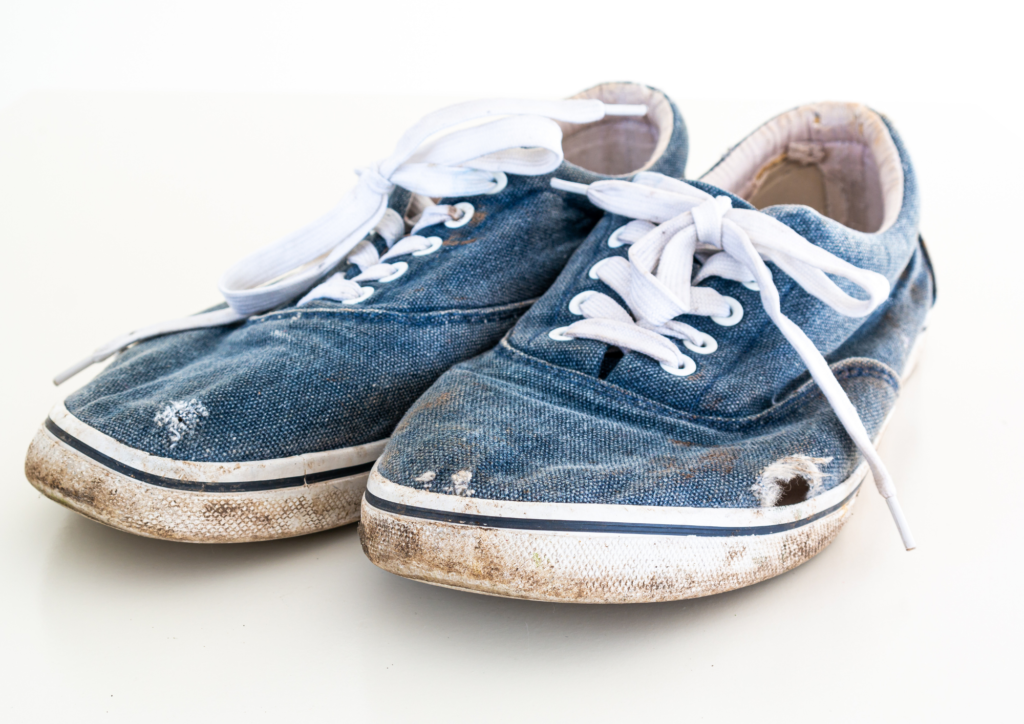
  • Worn-out trainers, poor rearfoot support, minimal cushioning
  • Unsupportive shoes on hard surfaces (especially long shifts)
  • Sudden switch to minimalist footwear without a graded transition
Load factors
  • Rapid jump in step count, running volume, hill work, or plyometrics
  • Standing/walking on hard surfaces (warehouse, hospital, retail, factory floors)
  • Inadequate recovery/sleep, high stress, poor training progression
Weight and tissue capacity
  • Higher body weight can increase tissue load, but the bigger issue is often capacity mismatch (what the tissue can tolerate vs what you’re asking it to do). We’ll help you close that gap safely.

Our plantar fasciitis assessment: what we check

Your appointment is focused and practical. We typically assess:

  • Your pain pattern and aggravating activities
  • Foot posture, arch control and load distribution
  • Calf/Achilles flexibility and ankle range
  • Big toe function and forefoot mechanics
  • Gait analysis (walking/running where appropriate)
  • Footwear review and things you can change immediately
  • A clear diagnosis and plan (including what it is and what it isn’t)

Goal: reduce pain now, restore function, and prevent recurrence.

Put heel pain behind you and move forward

Treatments we offer for plantar fasciitis/heel pain

We often combine treatments for faster pain relief and better long-term outcomes. Here’s how each option helps:


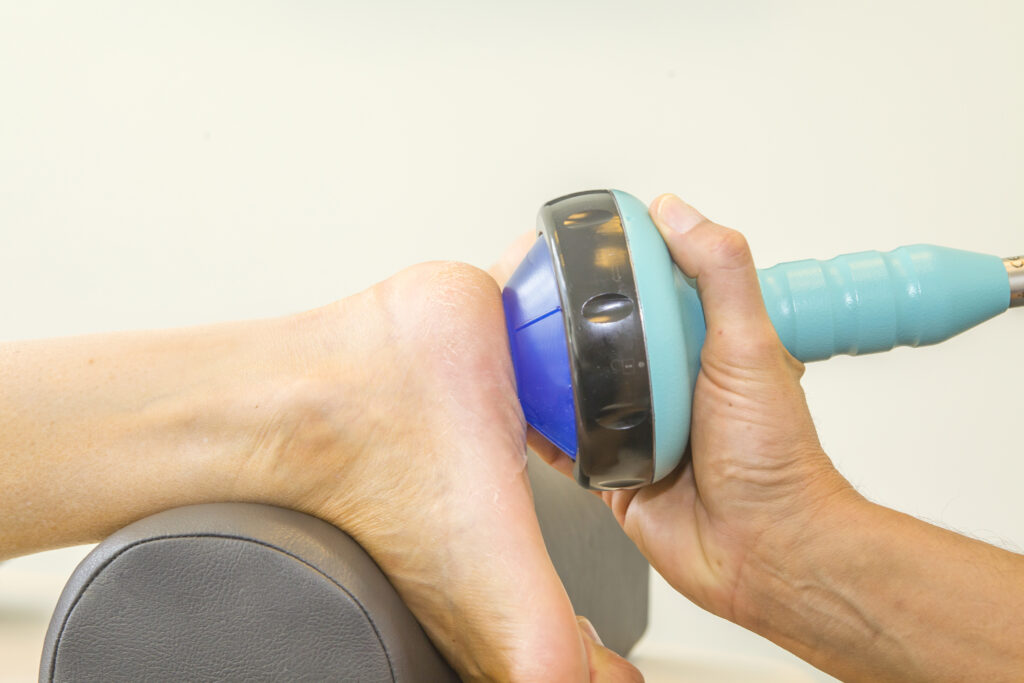
Shockwave Therapy (rESWT) for plantar fasciitis

Best for: persistent heel pain, “stubborn” plantar fasciitis, symptoms lasting 6–12 weeks.

How it helps
  • Stimulates tissue repair processes
  • Reduces pain sensitivity in the area
  • Helps “restart” healing in longstanding cases
What to expect
  • Treatment takes 10–15 minutes
  • You may feel discomfort during the session (it’s normal), then a dull ache for 24–48 hours
  • We pair shockwave with a rehab plan; shockwave works best when you also rebuild strength, flexibility and change in footwear

Typical course: 4-8 sessions, usually weekly, with rehab continuing for 6–12 weeks.


Acupuncture for plantar fasciitis/heel pain

Best for: pain modulation, calf and foot muscle tension, sensitive or irritable symptoms, and when pain limits rehabilitation.

How it helps
  • Can reduce pain sensitivity and calm the nervous system response
  • Helps relax overloaded calf and foot muscles and improve movement
  • Supports recovery so you can progress in exercise safely

Typical course: 4–8 treatments, often 1–2 per week initially, then spaced as symptoms settle.

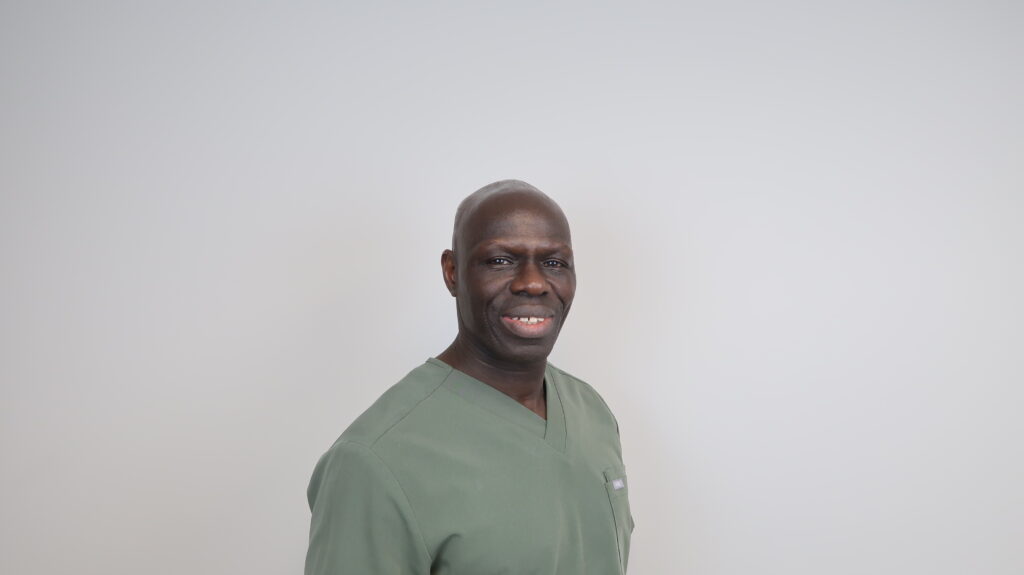
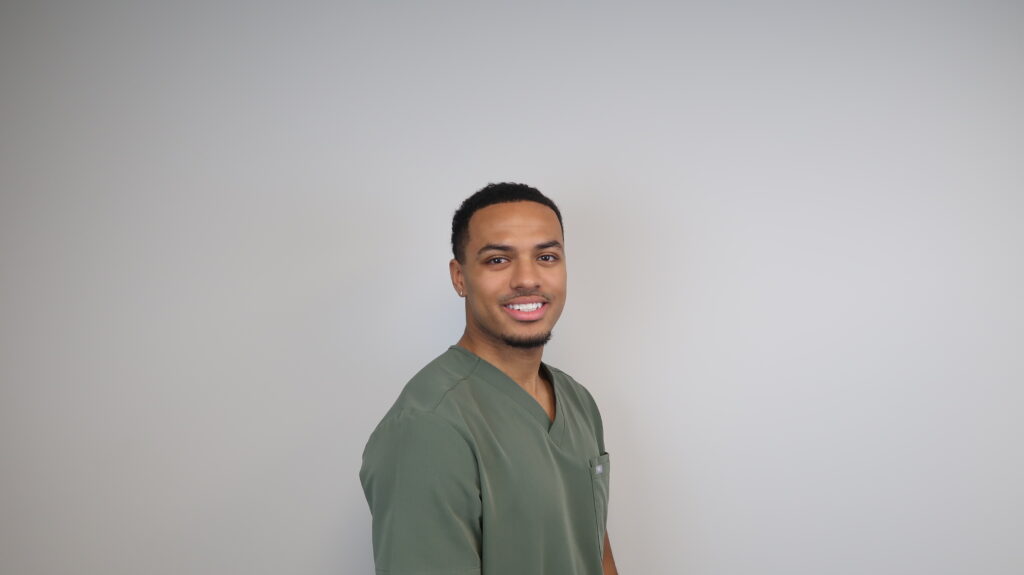
Clinical expertise: Steve Bailey and Ethan Bailey specialise in the management of plantar fasciitis, having undertaken extensive research in this field, presented at national and international conferences, and published research on plantar fasciitis. Steve also trains healthcare professionals and provides online and face-to-face courses in assessment, diagnosis and treatment approaches for plantar fasciitis.

High-Powered Laser Therapy for heel pain

Best for: reducing irritability, supporting tissue recovery, and use alongside rehab when symptoms are limiting activity.

How it helps
  • Aims to reduce pain and sensitivity
  • Supports tissue healing processes
  • Non-invasive and quick to deliver
What to expect
  • Quick sessions (often 5–10 minutes depending on protocol)
  • Usually comfortable and well tolerated

Typical course: 6–10 sessions, often 1–2 per week depending on symptom severity.


Exercise Rehabilitation

Best for: everyone, this is the foundation that prevents recurrence.

How it helps
  • Improves plantar fascia, intrinsic muscle and calf load tolerance
  • Restores foot and ankle strength and stiffness (your foot needs to act like a spring again)
  • Addresses calf tightness, intrinsic foot strength, and whole-leg control
  • Gets you back to walking and running with a structured progression
What you’ll do
  • Targeted calf strengthening (often progressive)
  • Plantar fascia and intrinsic foot muscle loading drills (graded)
  • Mobility where needed (not endless stretching)
  • Return-to-activity plan (walking, running, and occupation-specific)

Typical timeline: meaningful improvement often begins in 2–4 weeks, with greater long-term change over 6–12 weeks.


Orthotics, Insoles and Taping for Plantar Fasciitis

Best for: pain linked to mechanics and prolonged standing and/or walking; people who need day-to-day support while rehab builds capacity.

How it helps
  • Reduces peak strain on the plantar fascia and the intrinsic foot muscles
  • Improves load distribution through the arch and heel
  • Helps you tolerate work and life while symptoms settle
Options
  • “Chairside” insoles (fitted quickly)
  • Bespoke orthotics (when appropriate, after assessment)

Typical pathway: assessment and fitting, then a review at 2–6 weeks to adjust and progress.
What to expect at your visit

First appointment (usually 30–60 minutes)
  • Full assessment and diagnosis
  • Footwear and activity review
  • Clear explanation of what’s driving your pain
  • A step-by-step plan you can start the same day
  • If appropriate, we begin treatment immediately (e.g., acupuncture, laser, taping advice, rehab setup)
Follow-up visits
  • Treatment sessions (shockwave, acupuncture and/or laser)
  • Exercise progressions and technique coaching
  • Orthotic or insole fitting and adjustments as needed
  • Return-to-walking/running plan and workload guidance


How many treatments will I need?

This depends on duration, severity, and your goals, but typical pathways are:

  • Newer symptoms (0–6 weeks): 2–6 appointments over 4–8 weeks
  • Persistent symptoms (6–12+ weeks): often 6–10 appointments across 6–12 weeks
  • Shockwave plans: commonly 4–6 sessions seen weekly, plus rehab
  • Acupuncture plans: commonly 4–8 sessions, tapering as you improve
  • Laser plans: commonly 6–10 sessions alongside rehab

We’ll give you a tailored recommendation after your assessment.

Every step matters, let’s make them pain-free

Why choose the Foot, Knee & Back Clinic for plantar fasciitis?

  • Specialist, biomechanical-led assessment (not generic advice)
  • Multiple evidence-informed treatments under one roof
  • Rehab that’s practical and built around your work and/or sport
  • Experienced clinicians: Steve Bailey and Ethan Bailey, with a specialist interest in plantar fasciitis
  • Education-led approach, we want you to understand the “why” so it doesn’t come back

Freaquently Asked Questions

Is a heel spur the cause of my pain?

Not always. Many people have heel spurs with no pain. The cause is often tissue overload and sensitivity rather than the spur itself.

Should I rest completely?

Usually, no. Total rest can reduce capacity. We aim for smart load reduction while keeping you moving safely.

Should I stretch the plantar fascia?

Some stretching (plantar fascia-specific) can help, but many people do better with progressive (intrinsic foot muscle) strengthening and load management. We’ll guide you.

Can I keep running?

Often yes, with modifications. We’ll advise on volume, surfaces, footwear, and a graded return.

Is shockwave painful?

It can be uncomfortable, but it’s brief and adjustable. Most people tolerate it well, and it’s often worth it for stubborn cases.

Take the pain out of walking. Expert care awaits

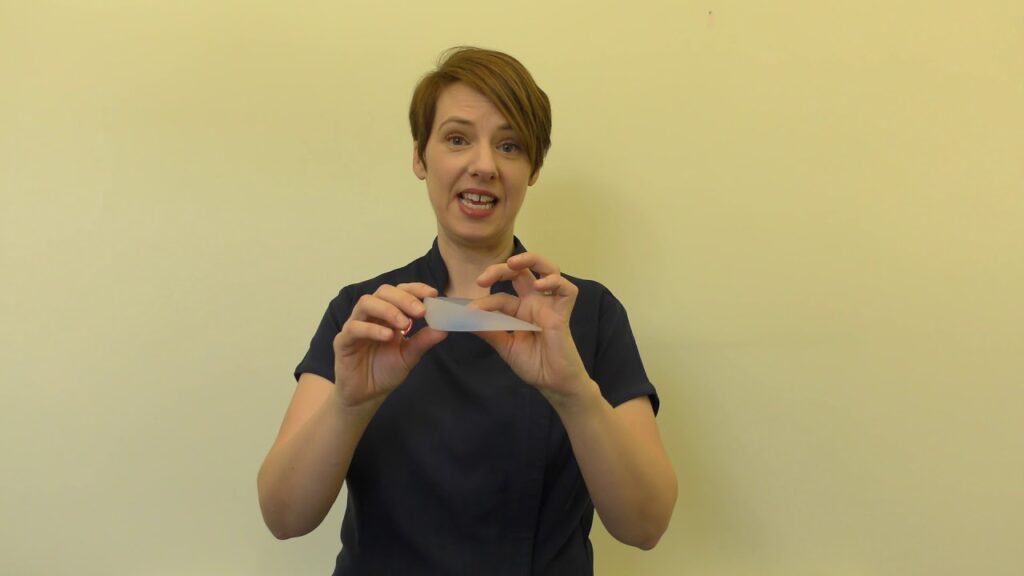
Watch the video for some useful tips to help relieve the pain!

Try these tips for 2 to 3 weeks. If your symptoms haven’t significantly improved or they are getting worse then contact us for an appointment.

#podshealheels