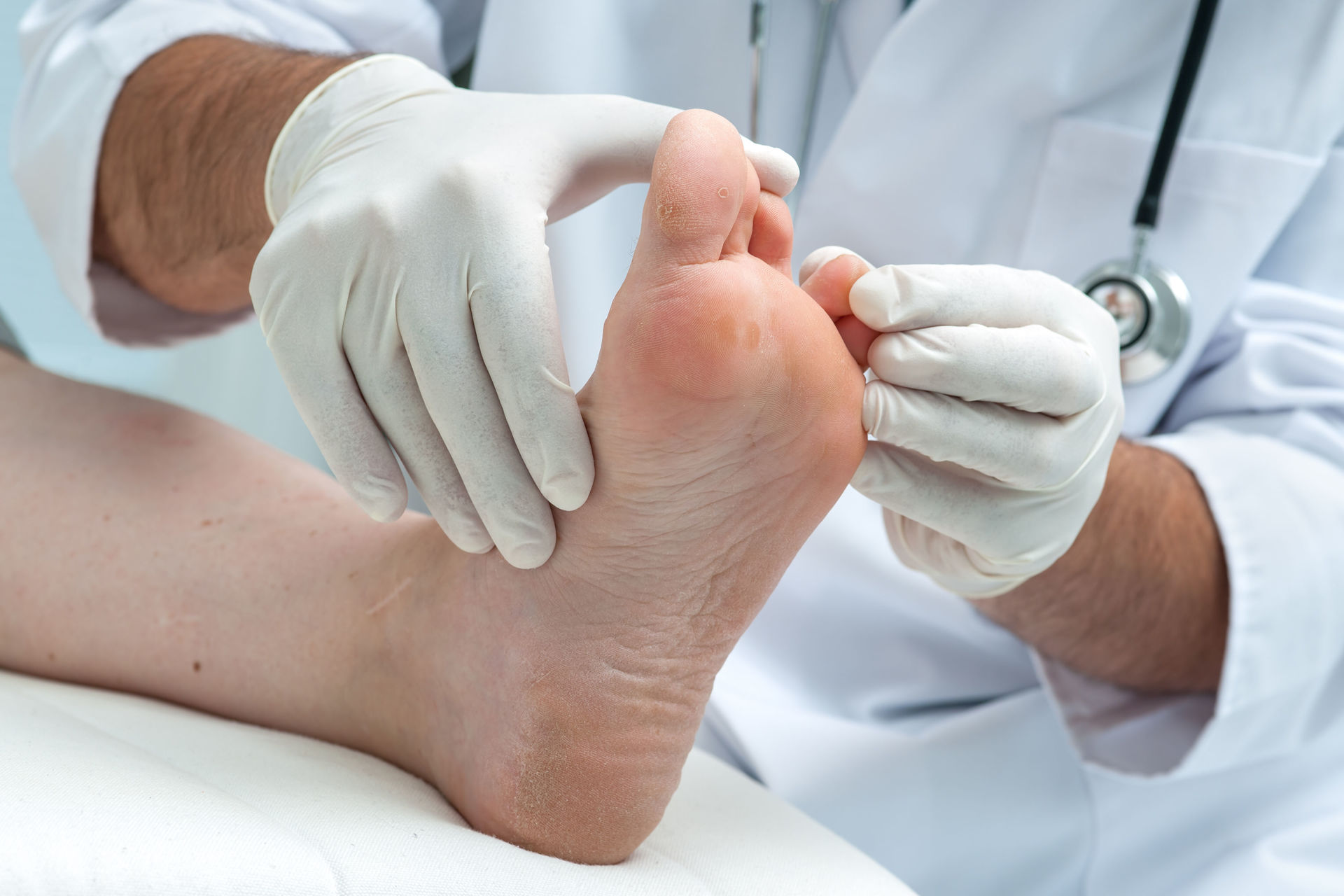
Chiropodists and podiatrists, deal with the assessment, diagnosis and treatment of the lower limb.

What is the difference between a Chiropody and Podiatry?

In the UK the terms chiropody/Chiropodist and Podiatry/Podiatrist are interchangeable.  There is no difference between the two terms.  It often depends on the practitioner what term they wish to use.  In other English speaking countries, they only use the term Podiatrist/Podiatry.

At the foot, knee and back clinic we use the separate terms of Chiropody and Podiatry for only for pricing treatments.  For example, a podiatry fees cover complex musculoskeletal problems in the lower limb that will require more time for assessment and treatment.   For example plantar fasciitis, deviation of the digits, foot and ankle pain etc.  Chiropody fees cover conditions such as nail conditions, corns, hard skin, verruca and general footcare.

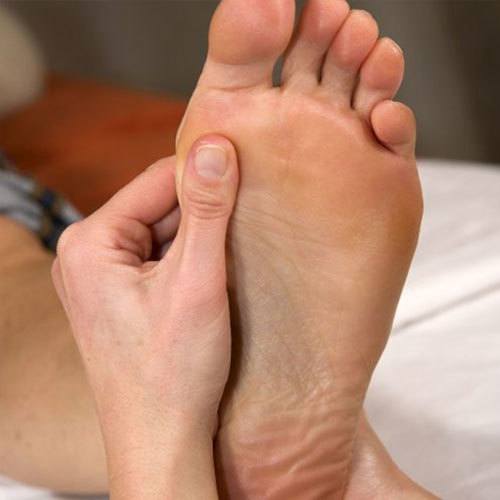
Chiropody conditions

Nail conditions   

thickened toe nails
fungal infected nails
ingrowing toe nails

Skin conditions

corns and callus (hard skin)
fungal infections
dermatitis
heel fissures (cracked heels)
Verrucae and warts

The diabetic foot
Read more

Podiatry conditions

Heel pain

Plantar fasciitis
Heel pad atrophy
Nerve entrapments

Arthritis in the foot 

Osteoarthrosis
Rheumatoid arthritis
Gout
hallux limitus / rigidus (stiff bit toe joint)

Metatarsalgia (pain under the ball of the foot)

Morton’s neuroma
capsulitis
pre-dyslocation syndrome

Foot and ankle pain

Bunions

Achilles pain

General tips for keeping your feet healthy

  1. Wash your feet daily with soap and water and dry them well (especially in-between your toes). Letting shower water run over them wont clean them properly.
  2. Moisturise your feet daily avoiding the cream going in between the toes (unless you have been advised otherwise). It is usually moist enough in between toes!  General moisturising cream is usually sufficient for most people, however specialist foot creams with 10% plus urea are available for those who need it.
  3. Wearing bed socks at night. Don’t use water bottles to warm up your feet – this can lead to chilblains.
  4. Alternate your shoes. Don’t wear the same shoes everyday.
  5. Store your shoes in a dry and well ventilated place. Give them 24 hours after you have warn them for them for sweat to evaporate.
  6. Wear natural fibre socks. Socks that contact a high percentage of cotton or wool absorbes the sweat from your feet.
  7. Change your socks daily and wash them well after they have been warn.
  8. Wash new socks inside out. This will get rid of the annoying sock fluff you get in new socks.

Biomechanics

Nail surgery

Clearanail Treatment