Foot, Knee and Back Clinic, Biomechanical Assessment, FScan Pressure Analysis and Injury Prevention
If you’re getting recurring foot, heel, ankle, knee, hip or back pain, or you’re planning to start running, hiking, distance walking, or a new sport, a detailed gait analysis and biomechanical assessment can help you understand why the problem is happening and what to do about it.
At the Foot, Knee and Back Clinic, we combine clinical expertise with objective technology (including FScan foot pressure analysis) to guide a clear, personalised treatment plan, whether you need footwear advice, orthotics, exercise rehab, acupuncture, shockwave therapy, or high-powered laser therapy.
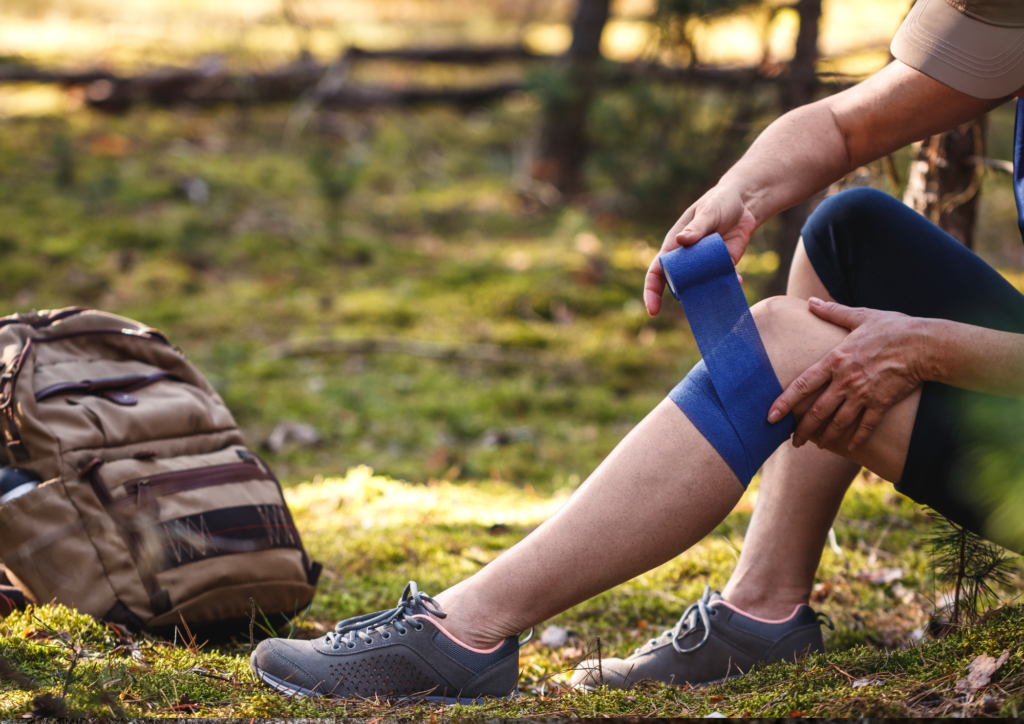
Book your gait analysis today and get a step-by-step plan to reduce pain, improve performance and prevent future injuries.
Why have a gait analysis?
A gait analysis is not just for athletes. It can help anyone who:
- Gets pain when walking, standing or exercising
- Has recurring injuries that “keep coming back”
- Wants to improve comfort in shoes, work boots or sports footwear
- Is returning to activity after injury
- Is about to take up running, hiking, gym training or a new sport
Gait analysis can help in two key ways:
- Detect an existing problem (pain, overload, compensation patterns)
- Predict and prevent problems by identifying risk factors before symptoms escalate, especially when increasing training, steps, hills or mileage
What is a biomechanical assessment?
Your assessment looks at the whole chain, feet → ankles → knees → hips → pelvis → lower back, because pain often shows up in one area while the cause sits elsewhere.
A typical biomechanical assessment includes:
- Clinical history (symptoms, training load, footwear, work demands, goals)
- Static posture assessment (foot shape, arch behaviour, alignment)
- Range of motion and joint testing (ankle dorsiflexion, hip control, big toe function)
- Strength and control testing (glutes, calf, intrinsic foot strength, balance and proprioception)
- Walking and/or running analysis (treadmill and/or overground)
- FScan pressure analysis (loading and timing)
- Footwear assessment (fit, stability, wear patterns, suitability for your goals)
- Clear diagnosis, action plan, and practical next steps
You’ll leave knowing:
- What’s driving your symptoms (and what’s not)
- What to change immediately (training, steps, footwear)
- Whether you need insoles or orthotics
- What exercises will make the biggest difference
- Which treatments will accelerate recovery
The benefits of FScan pressure analysis (gait assessment)
FScan measures how pressure moves through your foot during walking or running, giving real-world data that video alone can’t provide.
Why that matters:
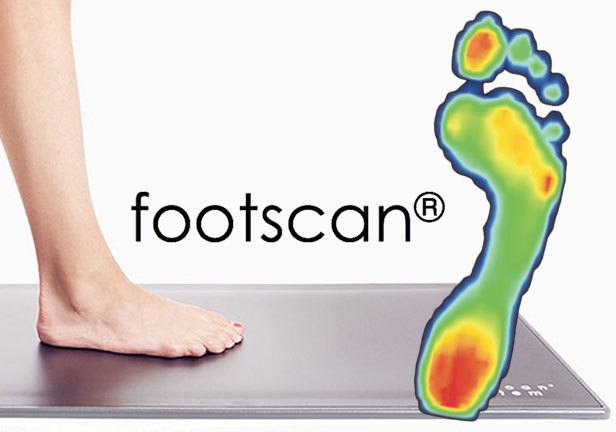
- Identifies high-pressure hotspots (common in heel pain, forefoot pain, stress-related symptoms)
- Shows loading timing and asymmetry (left vs right differences, compensations)
- Tracks the centre of pressure and rollover pattern (how you move through each step)
- Helps guide orthotic design and footwear choice (what support you actually need)
- Provides an objective baseline so we can re-test and prove progress over time
This is especially useful for:
- Stubborn or recurring injuries
- Performance goals and return-to-run planning
- Complex foot mechanics and mixed pain patterns
- Selecting shoes that will work with insoles/orthotics
Footwear advice is a core part of our gait analysis
Inadequate footwear is a major contributor to many lower limb problems, not just “bad shoes,” but shoes that don’t match:
- Your foot shape
- Your movement pattern
- Your activity level
- Your loading profile
- Your need (or future need) for insoles or orthotics
What we focus on:
- Correct sizing and fit (length, width, heel hold, toe box)
- Wide base to support the midfoot when the foot is flat to the floor
- Stability and cushioning appropriate to your needs
- Matching footwear to your activity (running, walking, work, sport)
- Ensuring footwear can accommodate insoles/orthotics comfortably
Good footwear won’t fix everything, but the wrong footwear can keep you stuck.
Conditions we assess and treat (sports and non-sports)
Foot and heel pain
- Plantar fasciitis/plantar heel pain
- Achilles tendinopathy
- Posterior tibial tendon pain (arch pain, “fallen arch” symptoms)
- Peroneal tendon pain (outside the ankle and foot)
- Metatarsalgia / ball-of-foot pain
- Morton’s neuroma symptoms
- Big toe pain, hallux limitus (stiff big toe)
- General foot fatigue and overload pain
Ankle and lower leg
- Recurrent ankle sprains and instability
- Shin pain (medial tibial stress syndrome, stress fracture)
- Calf strain recurrence linked to mechanics and loading
- Tendon and soft tissue overload related to training or work demands
Knee pain
- Patellofemoral pain (front of knee)
- Runner’s knee and ITB-related lateral knee pain
- Tendon overload (patellar tendon symptoms), Osgood Schlatter’s syndrome
- Degenerative, osteoarthritis-related knee pain supported by load management
Hip, pelvis and back (biomechanics-related)
- Hip overload from poor shock absorption and control
- Pelvic control issues contributing to lower limb strain
- Lower back pain linked to gait asymmetry, stiffness, or load distribution patterns
Every day (non-sport) problems we commonly see
- Pain from long shifts, standing and walking (NHS staff, retail, trades)
- Comfort issues in work boots or safety footwear
- Recurring “niggles” when increasing steps, holidays, or lifestyle changes
- Prevention planning for new runners and distance walkers
Orthotic management: from simple insoles to bespoke orthotics
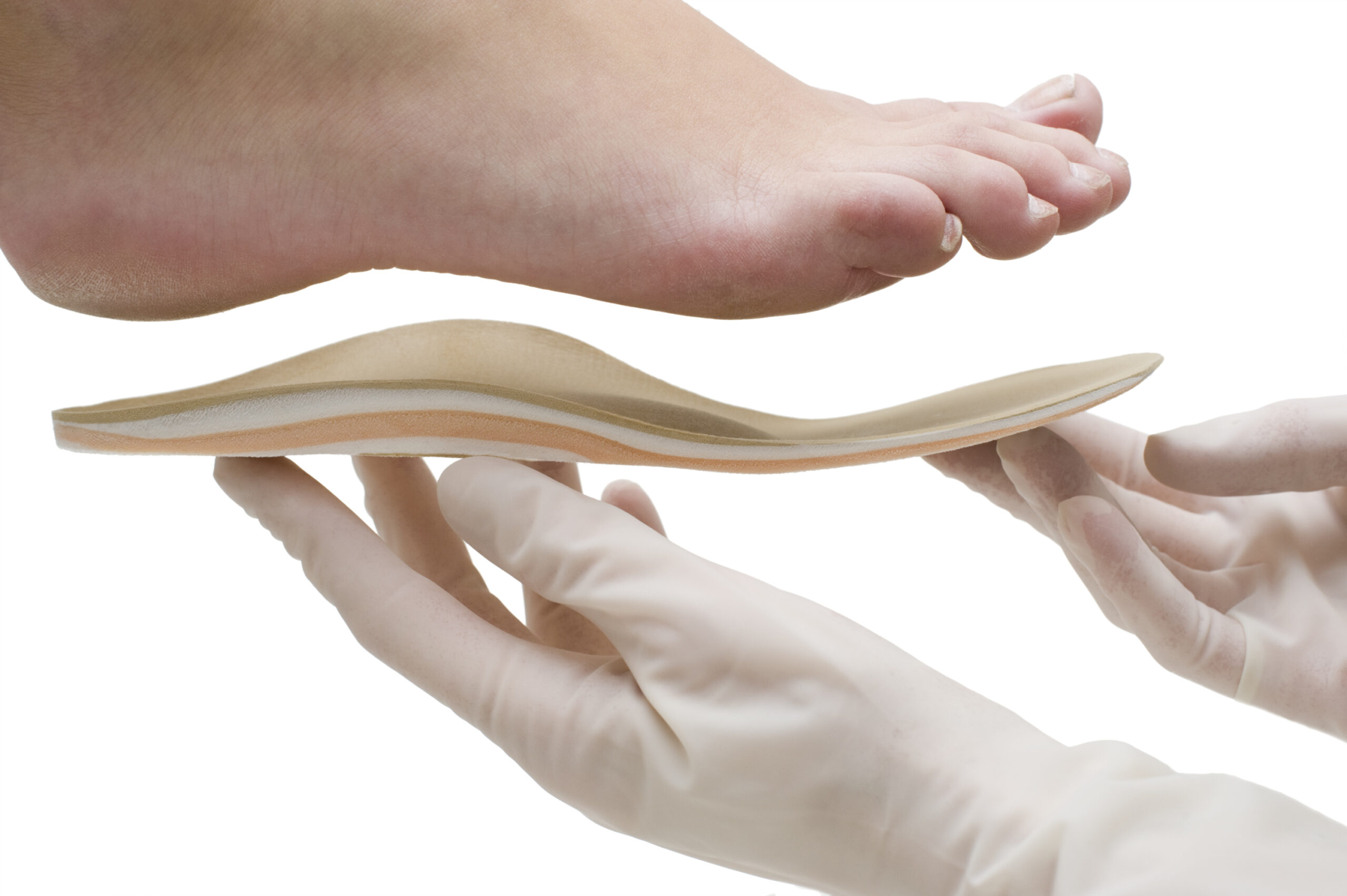
Orthotics aren’t “one-size-fits-all.” We prescribe what matches your goals, symptoms and footwear, and we only use them when they’ll add real value.
Options may include:
- Chairside insoles for quick comfort and temporary support
- Custom orthotics designed around your mechanics and loading pattern
- Sport-specific orthotic setups (running, football, hiking, court sports)
- Pressure offloading solutions (targeted support for heel or forefoot hotspots)
We also guide:
- break-in schedules
- footwear pairing
- review and adjustments
- progression back to activity
What to expect at your appointment
1) Initial assessment (biomechanics and gait analysis)
- comprehensive clinical and biomechanical assessment
- gait analysis with FScan, where appropriate
- footwear assessment and recommendations
- clear explanation of what’s driving your symptoms
- personalised plan with timelines and next steps
2) Your treatment plan
Depending on findings, your plan may include:
- footwear advice and a change of footwear
- insoles/orthotics
- progressive exercise rehab
- acupuncture and/or shockwave and/or laser therapy
- follow-up reassessment to track improvement and update the plan
Why choose the Foot, Knee, and Back Clinic?
At the Foot, Knee and Back Clinic, you’ll benefit from the expertise of Ethan and Steve Bailey, specialists in lower limb biomechanics and gait analysis. Steve’s extensive qualifications, including an MSc and ongoing research in the lower limb biomechanics and gait analysis, ensure you receive cutting-edge assessment and advice. With years of hands-on experience as a former owner of BP Orthotics Ltd, Steve offers deep insight into the manufacturing and selection of orthotics, guaranteeing solutions tailored to deliver the best possible outcomes for your comfort and mobility. Our clinic regularly provides online and face-to-face training in biomechanics, from basic to advanced and sports applications to private and NHS healthcare providers, so you can trust that our knowledge is current and our approach is evidence-based. Choose us for a thorough, professional biomechanical and gait analysis designed to relieve pain and help you move better.
Book a gait analysis in Long Eaton (Nottingham/Derby area)
If you’re dealing with knee pain, lower back pain, hip pain, foot pain, heel pain, plantar fasciitis, recurring running injuries, or you want to prevent problems before they start, a biomechanical assessment can give you clarity fast.
Call the clinic or book online to schedule:
- Gait analysis and biomechanical assessment
- Orthotic assessment and management
- Tailored treatment plan
Frequently Asked Questions
Do I need to be a runner to benefit from gait analysis?
No. We assess people who walk, stand for work, go to the gym, play sports, or want to move without pain.
Should I bring my shoes?
Yes, bring the shoes you wear most (everyday shoes, running shoes, work boots) and any insoles or orthotics you already use.
Can gait analysis prevent injuries?
It can identify movement and loading factors that increase risk, especially when you’re increasing your activity. We use it to create a prevention plan (footwear, strength, and load progression).
Will I definitely need orthotics?
Not always. Some people need footwear changes and rehab only; others benefit from insoles or orthotics, particularly when high-pressure, loading patterns are driving symptoms.